


Gout is a painful, inflammatory form of arthritis. Those affected will typically feel an intense stiffness in the joints of their feet, particularly in the big toe. Schedule a visit to learn about how gout can be managed and treated.
Alvin (281) 331-3525

Diplomat, American Board of Podiatric Surgery Fellow, American College of Foot and Ankle Surgeon
Gout is a painful, inflammatory form of arthritis. Those affected will typically feel an intense stiffness in the joints of their feet, particularly in the big toe. Schedule a visit to learn about how gout can be managed and treated.
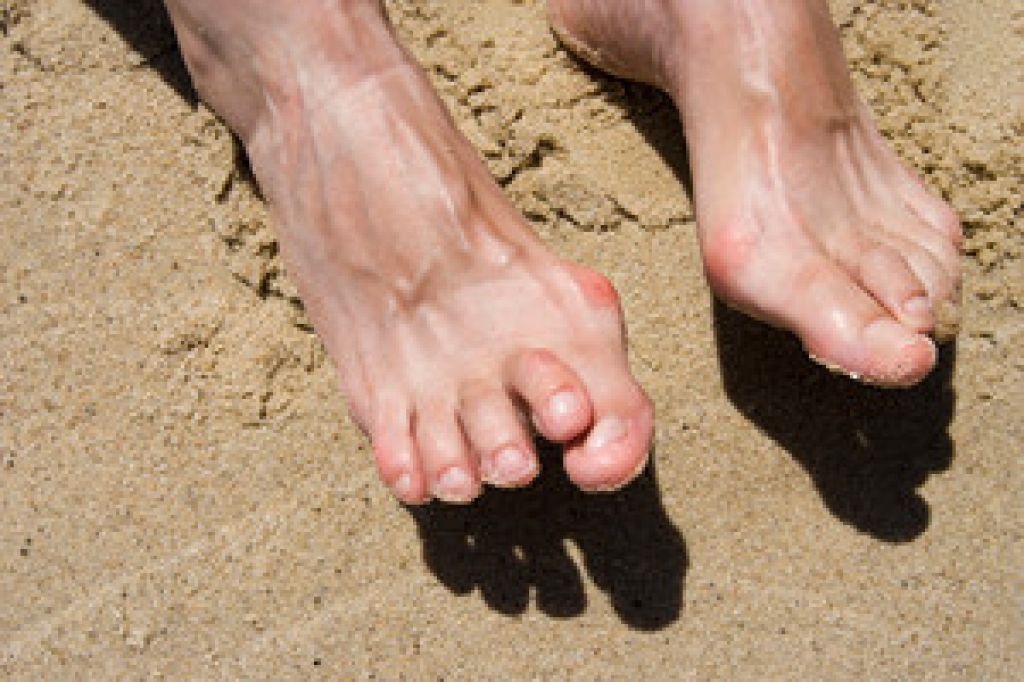
Hammertoe is a foot deformity where one or more of the smaller toes bend abnormally at the middle joint, resembling a hammer. This condition often results from an imbalance in the muscles, tendons, or ligaments that normally keep the toe straight. Common causes can include wearing ill-fitting shoes, especially those that are too tight or have high heels, which force the toe into a bent position. Other contributing factors include genetic predisposition, arthritis, and trauma to the toe. Symptoms of hammertoe include pain or irritation on the affected toe, especially when wearing shoes, as well as corns or calluses forming on the top of the joint due to friction. The affected toe may also become red, swollen, or stiff. Early detection is essential for effective treatment, which may involve changing footwear, using orthotic devices, and performing toe exercises. If you have developed a hammertoe, it is suggested that you consult a podiatrist who can offer you effective treatment options, which may include surgery for severe cases that can relieve pain and correct the deformity.
Hammertoe
Hammertoes can be a painful condition to live with. For more information, contact Dr. Douglas Webb from Texas. Our doctor will answer any of your foot- and ankle-related questions.
Hammertoe is a foot deformity that affects the joints of the second, third, fourth, or fifth toes of your feet. It is a painful foot condition in which these toes curl and arch up, which can often lead to pain when wearing footwear.
Symptoms
Causes
Genetics – People who are genetically predisposed to hammertoe are often more susceptible
Arthritis – Because arthritis affects the joints in your toes, further deformities stemming from arthritis can occur
Trauma – Direct trauma to the toes could potentially lead to hammertoe
Ill-fitting shoes – Undue pressure on the front of the toes from ill-fitting shoes can potentially lead to the development of hammertoe
Treatment
Orthotics – Custom made inserts can be used to help relieve pressure placed on the toes and therefore relieve some of the pain associated with it
Medications – Oral medications such as anti-inflammatories or NSAIDs could be used to treat the pain and inflammation hammertoes causes. Injections of corticosteroids are also sometimes used
Surgery – In more severe cases where the hammertoes have become more rigid, foot surgery is a potential option
If you have any questions, please feel free to contact our office located in Alvin, TX . We offer the newest diagnostic and treatment technologies for all your foot care needs.

As women enter their 40s, specific foot care becomes important to maintain overall health and mobility. Common foot issues like plantar fasciitis, bunions, and arthritis can affect women more significantly due to factors like hormonal changes, pregnancy, and footwear choices over the years. To avoid exacerbating these issues, it is beneficial for women to steer clear of high heels and narrow-toed shoes, which can lead to foot deformities and chronic pain. Additionally, prolonged wearing of flip-flops or flats without proper support can strain the arches and contribute to plantar fasciitis. Instead, opt for supportive footwear with cushioning and roomy toe boxes to accommodate natural foot shape and reduce pressure points. Regular foot exercises and stretches can also help alleviate discomfort and maintain flexibility. If you are a female and experiencing problems with your feet as you age, it is suggested that you consult a podiatrist for personalized care and treatment for long-term foot health.
Foot Pain
Foot pain can be extremely painful and debilitating. If you have a foot pain, consult with Dr. Douglas Webb from Texas. Our doctor will assess your condition and provide you with quality foot and ankle treatment.
Causes
Foot pain is a very broad condition that could be caused by one or more ailments. The most common include:
Diagnosis
To figure out the cause of foot pain, podiatrists utilize several different methods. This can range from simple visual inspections and sensation tests to X-rays and MRI scans. Prior medical history, family medical history, and any recent physical traumatic events will all be taken into consideration for a proper diagnosis.
Treatment
Treatment depends upon the cause of the foot pain. Whether it is resting, staying off the foot, or having surgery; podiatrists have a number of treatment options available for foot pain.
If you have any questions, please feel free to contact our office located in Alvin, TX . We offer the newest diagnostic and treatment technologies for all your foot care needs.
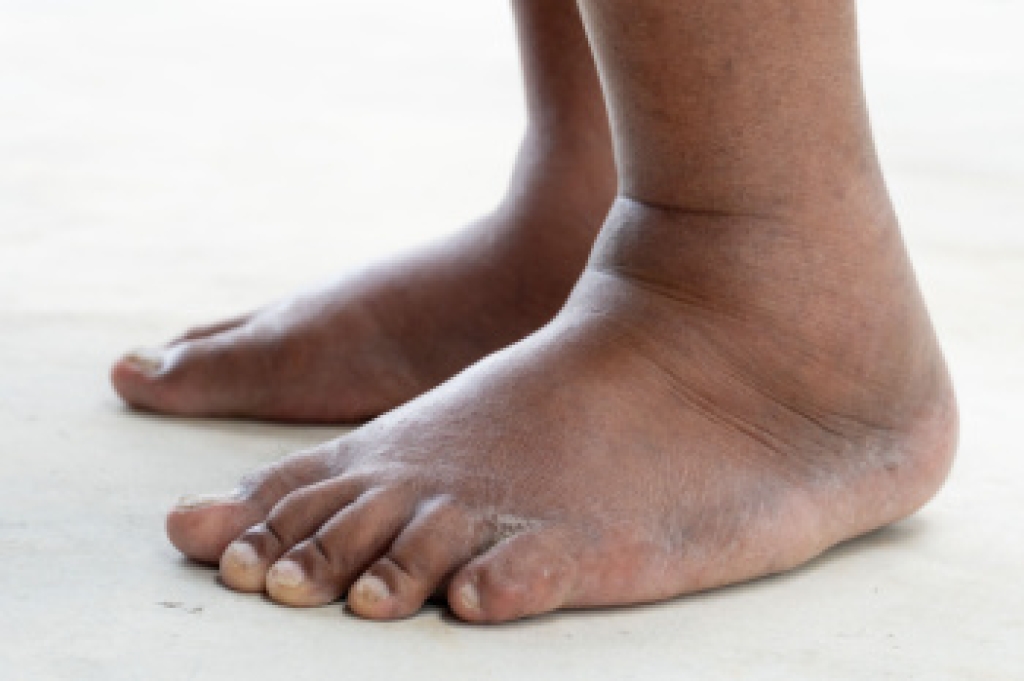 Psoriatic arthritis can cause swelling in the feet, making daily activities such as walking and wearing shoes very uncomfortable. This condition is a type of inflammatory arthritis that can cause inflammation in the joints and tissues of the feet that results in swelling and stiffness. The swelling may also be accompanied by pain, tenderness, and redness further impacting mobility and quality of life. When individuals with psoriatic arthritis experience flare-ups of symptoms, the swelling and discomfort in the feet can become worse. Managing psoriatic arthritis involves a thorough approach that can include medication, physical therapy, and lifestyle adjustments. Podiatrists, or foot doctors, can offer specialized care for foot-related symptoms of psoriatic arthritis. Some recommendations are supportive footwear, orthotic inserts, and exercises to improve mobility and reduce discomfort. If you have psoriatic arthritis and are experiencing swelling in your feet, it is suggested that you schedule an appointment with a podiatrist for treatment.
Swollen feet can be a sign of an underlying condition. If you have any concerns, contact Dr. Douglas Webb of Texas. Our doctor can provide the care you need to keep you pain-free and on your feet.
Swollen feet are a common ailment among pregnant women and people who stand or sit for extended periods. Aging may increase the possibility of swollen feet and patients who are obese often notice when their feet are swelling too. There may be medical reasons why swollen feet occur:
Swollen feet can also be caused by bone and tendon conditions, including fractures, arthritis, and tendinitis. Additionally, there may be skin and toenail conditions and an infection may cause the feet to swell. Patients who take medicine to treat high blood pressure may be prone to getting swollen feet.
Many patients elevate their feet to help relieve the swelling and this is generally a temporary remedy. When a podiatrist is consulted the reason behind the swelling can be uncovered and subsequently treated.
If you have any questions please contact our office located in Alvin, TX . We offer the newest diagnostic and treatment technologies for all your foot and ankle needs.

Have you noticed a bony protrusion on the side of your big toe? If so, you may have developed the foot condition known as a bunion. Don't let bunions interfere with your daily activities.
We are sad to announce that we have closed our Webster location and combined it with our Alvin office, located at 1 Medic Lane Alvin, TX 77511.
Thank you so much for your understanding.
- Dr. Webb and Staff