

Blog

How Diabetes Affects the Feet

Diabetes can significantly impact the health of the feet, leading to complications that may affect the toes, feet, and ankles. Over time, high blood sugar levels can damage the peripheral nerves, a condition known as diabetic neuropathy. This nerve damage can cause tingling, pain, or loss of sensation, which makes it difficult to notice injuries like blisters or cuts. When unnoticed and untreated, these minor issues can develop into infections or ulcers. Diabetes also can impair blood circulation to the feet, reducing the ability to heal and increasing the risk of gangrene in severe cases. People with diabetes may also develop foot deformities, such as Charcot's foot, which causes swelling and bone changes that alter the shape of the foot. Preventive measures are essential, including regular inspections by a podiatrist, along with improved daily foot care habits. A podiatrist can monitor your feet for early signs of complications and offer appropriate wound care treatment as needed. If you have foot problems as a complication of diabetes, it is suggested that you schedule regular appointments with a podiatrist for an exam, diagnosis, and treatment.

Diabetic foot care is important in preventing foot ailments such as ulcers. If you are suffering from diabetes or have any other concerns about your feet, contact Dr. Douglas Webb from Texas. Our doctor can provide the care you need to keep you pain-free and on your feet.

Diabetic Foot Care

Diabetes affects millions of people every year. The condition can damage blood vessels in many parts of the body, especially the feet. Because of this, taking care of your feet is essential if you have diabetes, and having a podiatrist help monitor your foot health is highly recommended.

The Importance of Caring for Your Feet

  • Routinely inspect your feet for bruises or sores.
  • Wear socks that fit your feet comfortably.
  • Wear comfortable shoes that provide adequate support.

Patients with diabetes should have their doctor monitor their blood levels, as blood sugar levels play such a huge role in diabetic care. Monitoring these levels on a regular basis is highly advised.

It is always best to inform your healthcare professional of any concerns you may have regarding your feet, especially for diabetic patients. Early treatment and routine foot examinations are keys to maintaining proper health, especially because severe complications can arise if proper treatment is not applied.

If you have any questions, please feel free to contact our office located in Alvin, TX . We offer the newest diagnostic and treatment technologies for all your foot care needs.

Read more about Diabetic Foot Care

Symptoms and Treatment of Morton’s Neuroma

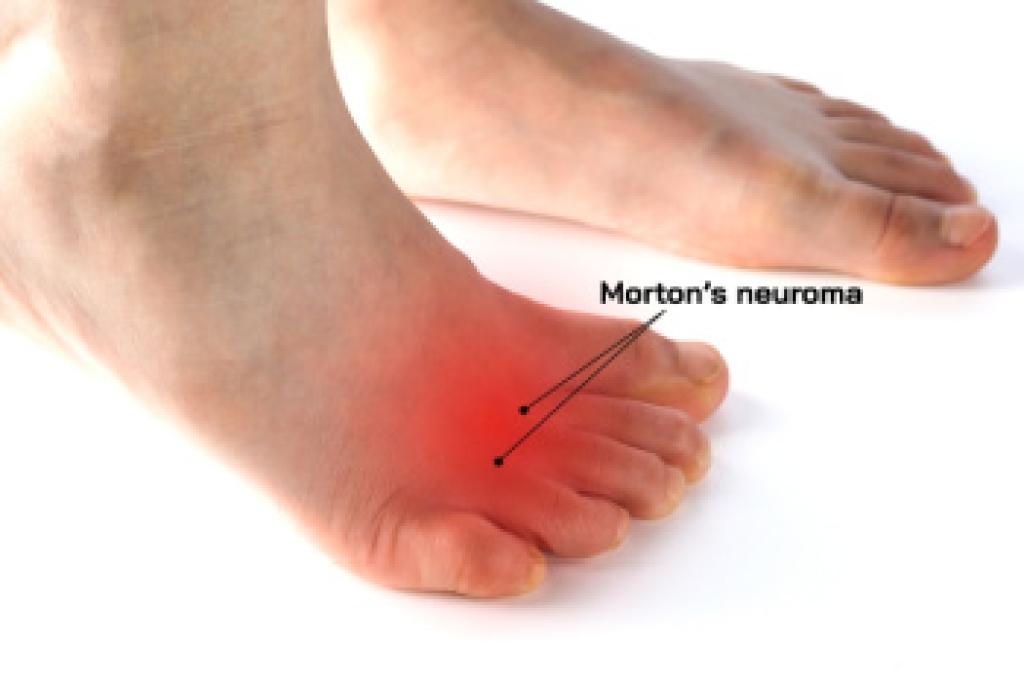
Morton’s neuroma is a condition that involves the thickening or enlargement of a nerve in the foot, often occurring between the third and fourth toes. Morton’s neuroma can cause sharp, stabbing, or throbbing pain in the ball of the foot, along with numbness, tingling, and a burning sensation. Many patients report feeling as if they are stepping on a pebble. Poorly fitting shoes, high heels, or foot structures like high arches or overpronation may contribute to the development of Morton’s neuroma. A podiatrist can diagnose Morton’s neuroma by evaluating symptoms and conducting a physical exam, often using specific tests to pinpoint the affected nerve. Treatment may involve wearing properly fitting shoes, using metatarsal pads, or being fitted for custom orthotics to alleviate pressure on the nerve. In cases where conservative measures do not provide relief, a podiatrist may recommend corticosteroid injections or surgery. If you have nerve pain in the ball of the foot, it is suggested that you schedule an appointment with a podiatrist for an exam and treatment options.

Morton’s neuroma is a very uncomfortable condition to live with. If you think you have Morton’s neuroma, contact Dr. Douglas Webb of Texas. Our doctor will attend to all of your foot care needs and answer any of your related questions.  

Morton’s Neuroma

Morton's neuroma is a painful foot condition that commonly affects the areas between the second and third or third and fourth toe, although other areas of the foot are also susceptible. Morton’s neuroma is caused by an inflamed nerve in the foot that is being squeezed and aggravated by surrounding bones.

What Increases the Chances of Having Morton’s Neuroma?

  • Ill-fitting high heels or shoes that add pressure to the toe or foot
  • Jogging, running or any sport that involves constant impact to the foot
  • Flat feet, bunions, and any other foot deformities

Morton’s neuroma is a very treatable condition. Orthotics and shoe inserts can often be used to alleviate the pain on the forefront of the feet. In more severe cases, corticosteroids can also be prescribed. In order to figure out the best treatment for your neuroma, it’s recommended to seek the care of a podiatrist who can diagnose your condition and provide different treatment options.

If you have any questions, please feel free to contact our office located in Alvin, TX . We offer the newest diagnostic and treatment technologies for all your foot care needs.

Read more about Morton's Neuroma

Surgical Options for Bunions

Bunions are painful, bony protrusions that develop on the foot, typically near the joint of the big toe or the base of the little toe. For people with severe or persistent bunions, surgery may offer relief and restore foot alignment. Depending on the severity, surgery for bunions can involve removing the enlarged portion of the bone, repositioning the affected bones, or realigning tendons, ligaments, and muscles surrounding the joint. In advanced cases, bone fusion to stabilize the joint may be used, especially if significant damage has occurred. These procedures aim to correct the deformity, reduce pain, and improve the foot’s function. Surgery is the only way to permanently address bunions, especially for those that cause difficulty while walking, or significant foot pain. A podiatrist can evaluate the bunion through physical exams and imaging tests before recommending the most appropriate surgical approach. This foot doctor also can provide post-operative care to ensure proper healing. If you have problematic bunions, it is suggested that you schedule an appointment with a podiatrist to determine if surgery is right for you.

Foot surgery is sometimes necessary to treat a foot ailment. To learn more, contact Dr. Douglas Webb of Texas. Our doctor will assist you with all of your foot and ankle needs.

When Is Surgery Necessary?

Foot and ankle surgery is generally reserved for cases in which less invasive, conservative procedures have failed to alleviate the problem. Some of the cases in which surgery may be necessary include:

  • Removing foot deformities like bunions and bone spurs
  • Severe arthritis that has caused bone issues
  • Cosmetic reconstruction

What Types of Surgery Are There?

The type of surgery you receive will depend on the nature of the problem you have. Some of the possible surgeries include:

  • Bunionectomy for painful bunions
  • Surgical fusion for realignment of bones
  • Neuropathy decompression surgery to treat nerve damage

Benefits of Surgery

Although surgery is usually a last resort, it can provide more complete pain relief compared to non-surgical methods and may allow you to finally resume full activity.

Surgical techniques have also become increasingly sophisticated. Techniques like endoscopic surgery allow for smaller incisions and faster recovery times.

If you have any questions, please feel free to contact our office located in Alvin, TX . We offer the newest diagnostic and treatment technologies for all your foot care needs.
Read more about Foot Surgery

Wounds That Don't Heal Need to Be Checked

Your feet are covered most of the day. If you're diabetic, periodic screening is important for good health. Numbness is often a sign of diabetic foot and can mask a sore or wound.

Achilles Tendon Pain at the Heel

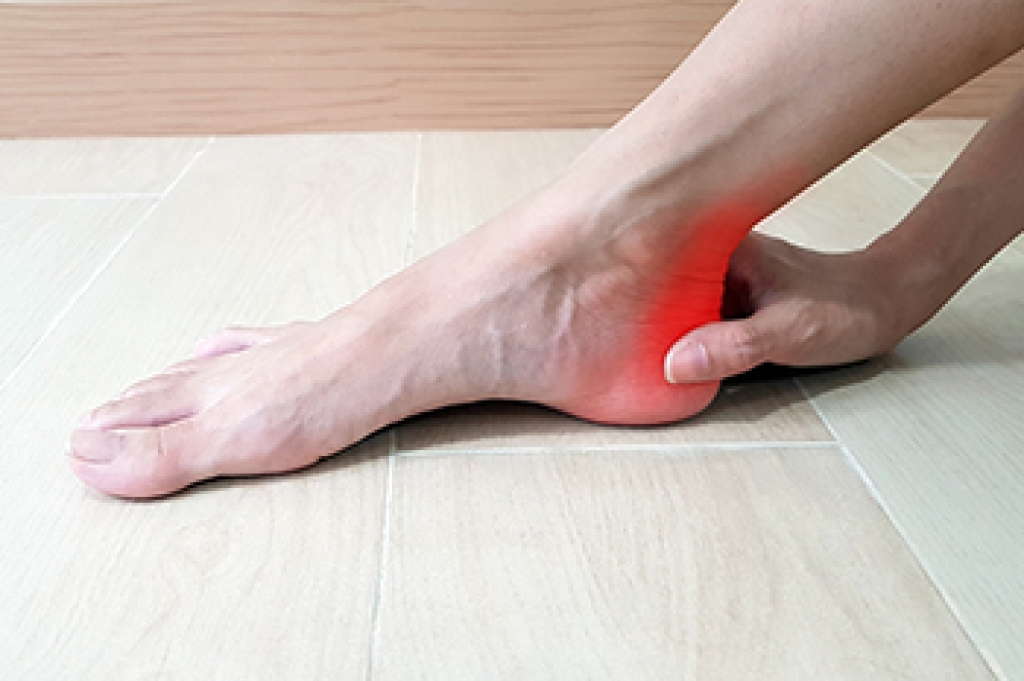
Achilles tendon heel pain, medically known as Achilles tendon enthesopathy, occurs where the Achilles tendon attaches to the back of the heel bone. Patients with this condition often feel pain at the back of the heel, especially during walking or ankle movement. The condition is caused by repetitive strain on the Achilles tendon, which can result from a sedentary lifestyle, being overweight, or overuse from athletic activities. Risk factors may also include age, certain medications, or underlying arthritis. Diagnosis typically involves a podiatrist performing a physical examination to check for tenderness and flexibility of the ankle. Effective treatments include reducing strain on the tendon, such as using heel lifts, creating a personalized stretching regimen, and addressing any biomechanical issues. A podiatrist may also recommend supportive footwear or other therapeutic techniques to improve healing and alleviate discomfort. If you have heel pain caused by an Achilles tendon injury it is suggested that you schedule an appointment with a podiatrist for treatment.

Achilles tendon injuries need immediate attention to avoid future complications. If you have any concerns, contact Dr. Douglas Webb of Texas. Our doctor can provide the care you need to keep you pain-free and on your feet.

What Is the Achilles Tendon?

The Achilles tendon is a tendon that connects the lower leg muscles and calf to the heel of the foot. It is the strongest tendon in the human body and is essential for making movement possible. Because this tendon is such an integral part of the body, any injuries to it can create immense difficulties and should immediately be presented to a doctor.

What Are the Symptoms of an Achilles Tendon Injury?

There are various types of injuries that can affect the Achilles tendon. The two most common injuries are Achilles tendinitis and ruptures of the tendon.

Achilles Tendinitis Symptoms

  • Inflammation
  • Dull to severe pain
  • Increased blood flow to the tendon
  • Thickening of the tendon

Rupture Symptoms

  • Extreme pain and swelling in the foot
  • Total immobility

Treatment and Prevention

Achilles tendon injuries are diagnosed by a thorough physical evaluation, which can include an MRI. Treatment involves rest, physical therapy, and in some cases, surgery. However, various preventative measures can be taken to avoid these injuries, such as:

  • Thorough stretching of the tendon before and after exercise
  • Strengthening exercises like calf raises, squats, leg curls, leg extensions, leg raises, lunges, and leg presses

If you have any questions please feel free to contact our office located in Alvin, TX . We offer the newest diagnostic tools and technology to treat your foot and ankle needs.

Read more about The Causes, Types, and Treatments of Achilles Tendon Injuries
Connect with us