


Do you suffer from heel pain when you get up in the morning? If so, you should seek professional help and have a proper diagnosis performed. Heel pain can be caused by several different foot-related conditions.
Alvin (281) 331-3525

Diplomat, American Board of Podiatric Surgery Fellow, American College of Foot and Ankle Surgeon
Do you suffer from heel pain when you get up in the morning? If so, you should seek professional help and have a proper diagnosis performed. Heel pain can be caused by several different foot-related conditions.
 People who are elderly may experience conditions concerning the feet, such as burning sensations, dry skin, and discoloration. It may be helpful to apply a moisturizer after washing the feet in warm water. Years of use may be the culprit of increasing foot issues in the elderly, and many of these conditions may be easily treated. Shoe sizes may vary as we age, so it may be beneficial to measure the feet frequently. Wearing shoes that fit correctly will not only benefit the body’s overall health, but will help the feet to feel comfortable. Additionally, if poor eyesight or difficulty in bending down keeps the toenails from being trimmed correctly, a consultation with a podiatrist is recommended for assistance in proper foot care.
Proper foot care is something many older adults forget to consider. If you have any concerns about your feet and ankles, contact Dr. Douglas Webb from Texas. Our doctor can provide the care you need to keep you pain-free and on your feet.
The Elderly and Their Feet
As we age we start to notice many changes in our body, but the elder population may not notice them right away. Medical conditions may prevent the elderly to take notice of their foot health right away. Poor vision is a lead contributor to not taking action for the elderly.
Common Conditions
Susceptible Infections
Diabetes and poor circulation can cause general loss of sensitivity over the years, turning a simple cut into a serious issue.
If you have any questions, please feel free to contact our office located in Alvin, TX . We offer the newest diagnostic and treatment technologies for all your foot care needs.
 Fallen arches are a common result of being obese. The feet provide a natural support system for the body, and imbalance may occur due to the excess weight the feet must withstand. The feet may also grow in size due to excess pressure and swelling. The ankles will be surrounded by fat tissues and cells, which may cause immense pain and difficulty walking. Pressure that settles on the ankle often makes it painful to wear shoes. Bending over to put them on may be challenging because of the additional weight the body must endure. Fat and sugar deposits surrounding the ankle may weaken the structure of the foot, commonly causing serious complications and discomfort. This condition may be prevented by implementing dietary and lifestyle changes, thus improving not only the general health of the feet, but the rest of the body as well.
Obesity has become very problematic at this point in time and can have extremely negative effects on the feet. If you’re an obese individual and are concerned about your feet, contact Dr. Douglas Webb from Texas. Our doctor can provide the care you need to keep you pain-free and on your feet.
Obesity and Your Feet
Since your feet are what support your entire weight when standing, any additional weight can result in pain and swelling. Being overweight is one of the main contributors to foot complications.
Problems & Complications
Extra Weight – Even putting on just a few extra pounds could create serious complications for your feet. As your weight increases, your balance and body will shift, creating new stresses on your feet. This uneven weight distribution can cause pain, even while doing the simplest tasks, such as walking.
Diabetes – People who are overweight are at serious risk of developing type-2 diabetes, which has a drastic impact on the health of your feet. As you get older, your diabetes might worsen, which could lead to loss of feeling in your feet, sores, and bruises. You could also become more prone to various infections.
Plantar fasciitis – Pressure and stress that is placed on muscles, joints, and tendons can trigger plantar fasciitis, which is an inflammation of tissue that forms along the bottom of the foot.
If you have any questions, please feel free to contact our office located in Alvin, TX . We offer the newest diagnostic and treatment technologies for all your foot care needs.
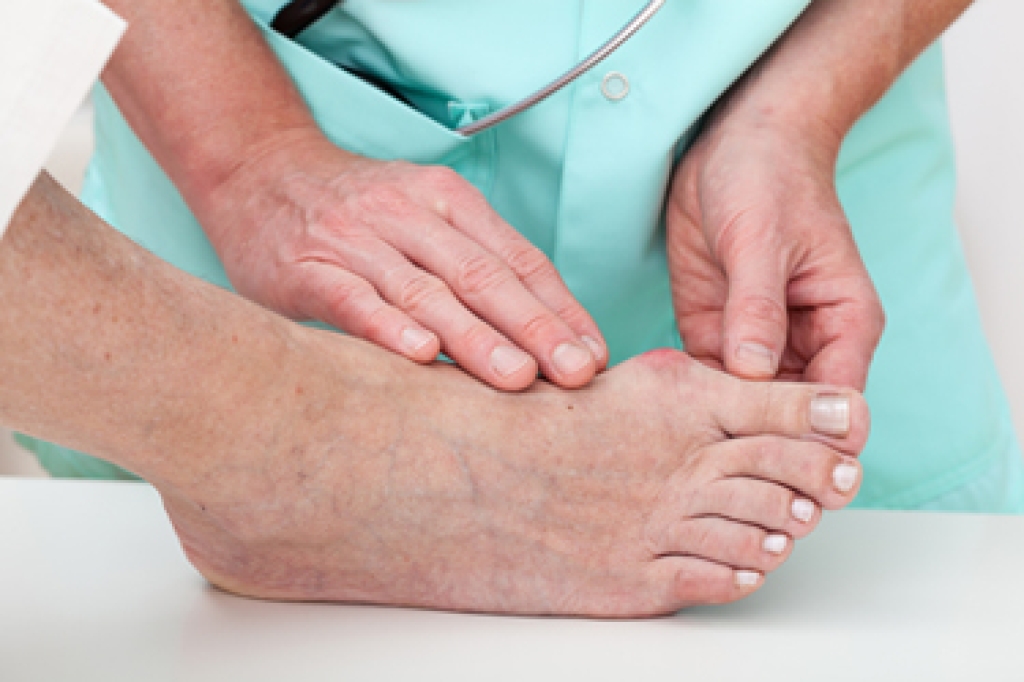 If you have a bump on the side of your big toe, there is a chance that you may have a bunion. It's common for the structure of the foot to change as a result of the big toe being pushed toward the other toes. This worsens misalignment in the toes, resulting in the bony protrusion developing. This progressive condition is commonly caused by a predisposed, inherited trait affecting the structure of the foot. Poor-fitting shoes do not cause bunions, although they may advance the progression of the disorder. Common symptoms may include experiencing numbness or a burning sensation, in addition to observing swelling and redness in the area. Some patients may notice calluses developing on the big toe, and movement may become restricted. A treatment option can include choosing the right shoes with enough room so the toes can be comfortable and move freely. Activities that irritate the bunion, such as standing for long periods of time, should be avoided. If you are experiencing pain from a bunion, a consultation with a podiatrist is advised.
If you are suffering from bunions, contact Dr. Douglas Webb of Texas. Our doctor can provide the care you need to keep you pain-free and on your feet.
What Is a Bunion?
A bunion is formed of swollen tissue or an enlargement of boney growth, usually located at the base joint of the toe that connects to the foot. The swelling occurs due to the bones in the big toe shifting inward, which impacts the other toes of the foot. This causes the area around the base of the big toe to become inflamed and painful.
Why Do Bunions Form?
Genetics – Susceptibility to bunions are often hereditary
Stress on the feet – Poorly fitted and uncomfortable footwear that places stress on feet, such as heels, can worsen existing bunions
How Are Bunions Diagnosed?
Podiatrists often perform two tests – blood tests and x-rays – when trying to diagnose bunions, especially in the early stages of development. Blood tests help determine if the foot pain is being caused by something else, such as arthritis, while x-rays provide a clear picture of your bone structure to your provider.
How Are Bunions Treated?
If you have any questions, please feel free to contact our office located in Alvin, TX . We offer the newest diagnostic and treatment technologies for all your foot care needs.

Custom orthotics, or shoe inserts, should be periodically replaced. Orthotics must fit properly to give you the best results. Protect your feet and ankles!
We are sad to announce that we have closed our Webster location and combined it with our Alvin office, located at 1 Medic Lane Alvin, TX 77511.
Thank you so much for your understanding.
- Dr. Webb and Staff