
Blog

How Hammertoes Affect the Toes

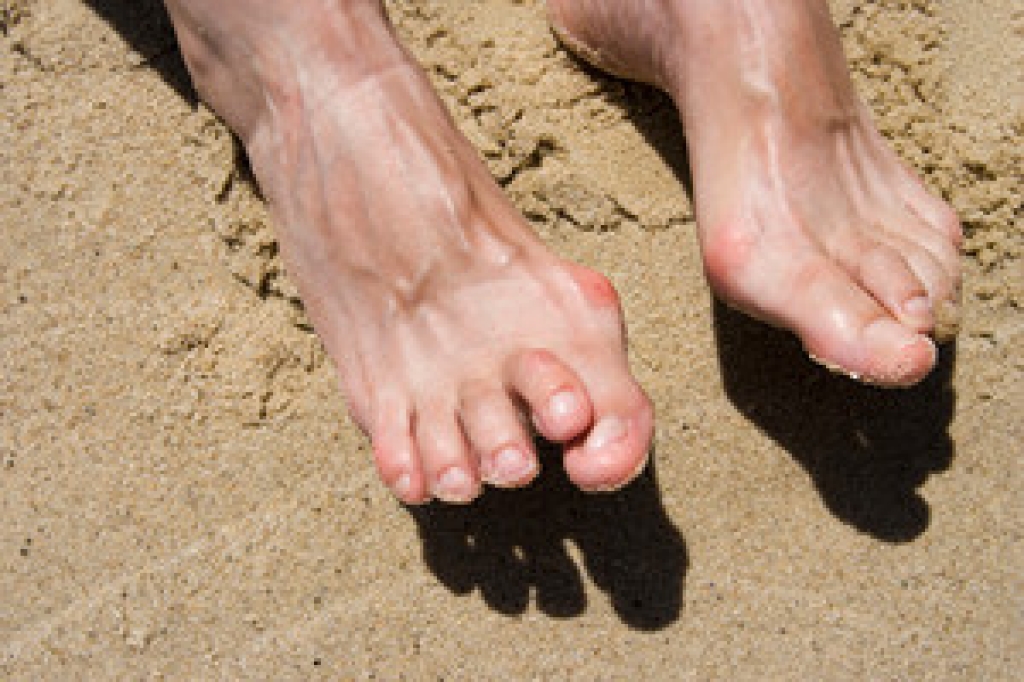
Hammertoes when the second and third toes are bent at the middle joint. They are considered to be a deformity and can cause the toes to resemble hammers. Many patients have calluses that develop on top of the bent joints, which happen when the toes rub against your shoes while walking. Patients who have hammertoe may have weakened nerves or a muscle imbalance.  Buddy taping, which is accomplished by taping the affected toe to the toe next to it, may be effective in providing stability. Additionally, it is beneficial to perform specific stretches that can help to strengthen the toes and overall foot. It is recommended that you confer with a podiatrist if you notice the signs of a developing hammertoe.

Hammertoes can be a painful condition to live with. For more information, contact Dr. Douglas Webb of Texas. Our doctor will answer any of your foot- and ankle-related questions.

Hammertoe

Hammertoe is a foot deformity that occurs due to an imbalance in the muscles, tendons, or ligaments that normally hold the toe straight. It can be caused by the type of shoes you wear, your foot structure, trauma, and certain disease processes.

Symptoms

  • Painful and/or difficult toe movement
  • Swelling
  • Joint stiffness
  • Calluses/Corns
  • Physical deformity

Risk Factors

  • Age – The risk of hammertoe increases with age
  • Sex – Women are more likely to have hammertoe compared to men
  • Toe Length – You are more likely to develop hammertoe if your second toe is longer than your big toe
  • Certain Diseases – Arthritis and diabetes may make you more likely to develop hammertoe

Treatment

If you have hammertoe, you should change into a more comfortable shoe that provides enough room for your toes. Exercises such as picking up marbles may strengthen and stretch your toe muscles. Nevertheless, it is important to seek assistance from a podiatrist in order to determine the severity of your hammertoe and see which treatment option will work best for you.

If you have any questions, please feel free to contact our office located in Alvin, TX . We offer the newest diagnostic and treatment technologies for all your foot care needs.

Read more about Hammertoe

Wounds That Don't Heal Need to Be Checked

Your feet are covered most of the day. If you're diabetic, periodic screening is important for good health. Numbness is often a sign of diabetic foot and can mask a sore or wound.

What Do Plantar Warts Look Like?

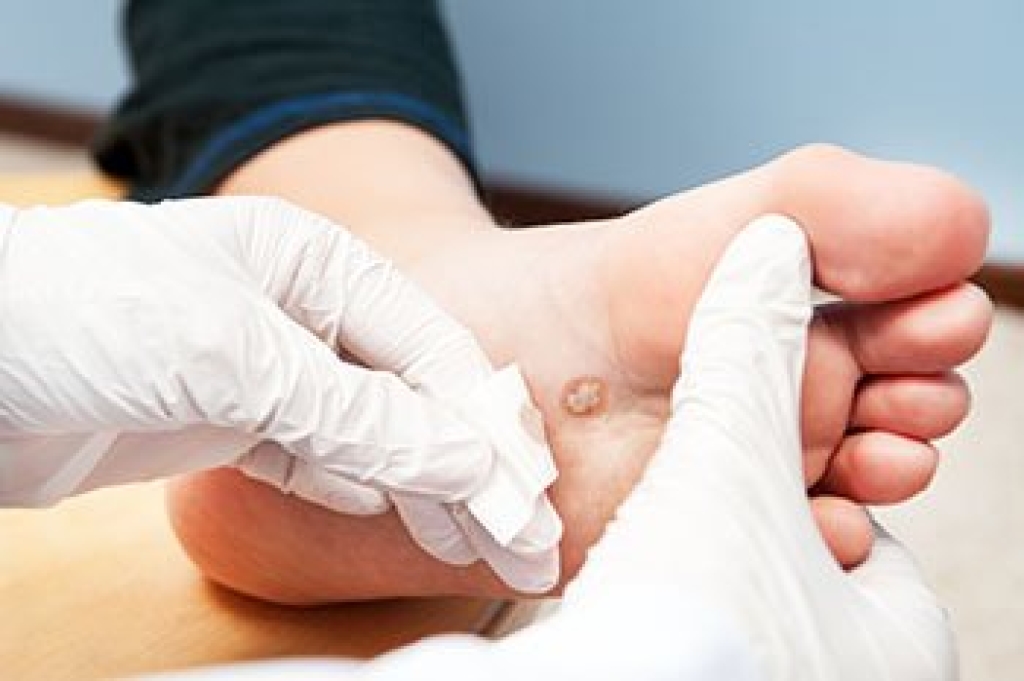
Plantar warts are warts that appear on the bottoms of the feet due to a human papillomavirus (HPV) infection. Plantar warts often look like circular spots of thick, callused skin. These spots will typically have tiny black dots on the surface, which are actually bits of dried blood. Plantar warts are usually flat and grow inwards as pressure from walking is applied to them. This often leads to pain. A plantar wart can occur on its own, multiply to form additional satellite warts, or can appear as a “mosaic” of several plantar warts growing closely together. Warts on the bottom of the feet can be treated with topical or oral medications, laser therapy, or cryotherapy. To learn more about plantar warts, please speak with a podiatrist. 

Plantar warts can be very uncomfortable. If you need your feet checked, contact Dr. Douglas Webb from Texas. Our doctor will assist you with all of your foot and ankle needs.

About Plantar Warts

Plantar warts are the result of HPV, or human papillomavirus, getting into open wounds on the feet. They are mostly found on the heels or balls of the feet.

While plantar warts are generally harmless, those experiencing excessive pain or those suffering from diabetes or a compromised immune system require immediate medical care. Plantar warts are easily diagnosed, usually through scraping off a bit of rough skin or by getting a biopsy.

Symptoms

  • Lesions on the bottom of your feet, usually rough and grainy
  • Hard or thick callused spots
  • Wart seeds, which are small clotted blood vessels that look like little black spots
  • Pain, discomfort, or tenderness of your feet when walking or standing

Treatment

  • Freezing
  • Electric tool removal
  • Laser Treatment
  • Topical Creams (prescription only)
  • Over-the-counter medications

To help prevent developing plantar warts, avoid walking barefoot over abrasive surfaces that can cause cuts or wounds for HPV to get into. Avoiding direct contact with other warts, as well as not picking or rubbing existing warts, can help prevent the further spread of plantar warts. However, if you think you have developed plantar warts, speak to your podiatrist. He or she can diagnose the warts on your feet and recommend the appropriate treatment options.

If you have any questions, please feel free to contact our office located in Alvin, TX . We offer the newest diagnostic and treatment technologies for all your foot care needs.
Read more about All About Plantar Warts

The Best Cure for Diabetic Ulcers is Prevention

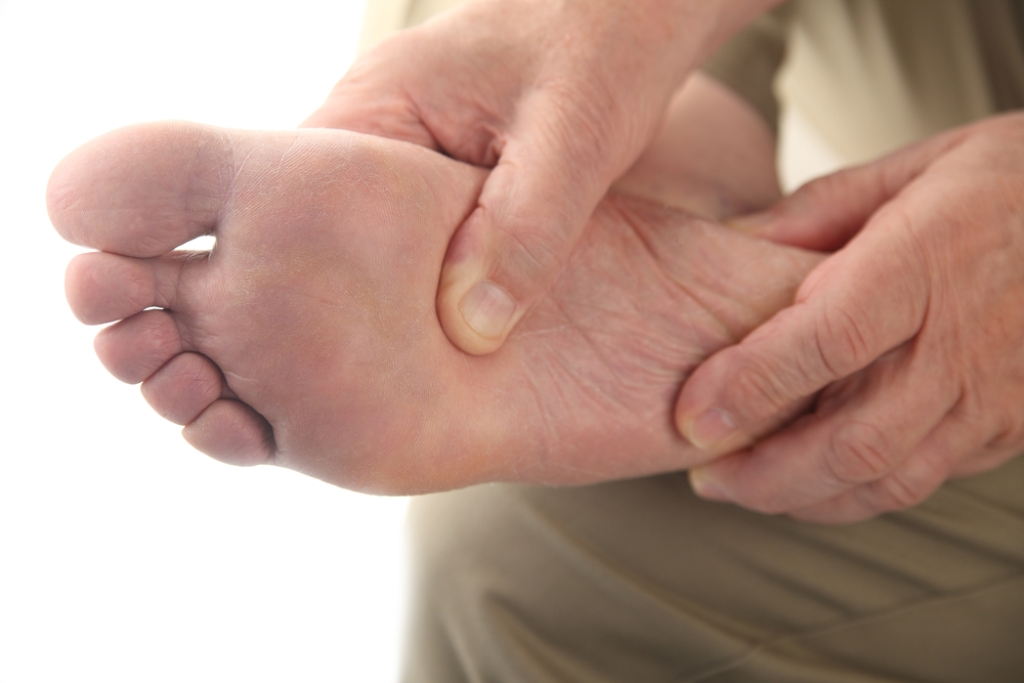
Conditions such as neuropathy, poor circulation, and changes in fat pads that cushion the foot can cause people with diabetes to have mobility issues.  They can also lead to diabetic ulcers. These ulcers are open wounds on the bottom of the foot that have serious implications. Diabetic ulcers need to be professionally treated in order to heal as quickly as possible to avoid infection, hospitalization, or even amputation. The best way to avoid these worst-case scenarios is to prevent ulcers from developing in the first place. People with diabetes should be under the care of a podiatrist who is highly skilled in preventative strategies to avoid these complex wounds from manifesting, and managing them properly if they do.

Diabetic foot care is important in preventing foot ailments such as ulcers. If you are suffering from diabetes or have any other concerns about your feet, contact Dr. Douglas Webb from Texas. Our doctor can provide the care you need to keep you pain-free and on your feet.

Diabetic Foot Care

Diabetes affects millions of people every year. The condition can damage blood vessels in many parts of the body, especially the feet. Because of this, taking care of your feet is essential if you have diabetes, and having a podiatrist help monitor your foot health is highly recommended.

The Importance of Caring for Your Feet

  • Routinely inspect your feet for bruises or sores.
  • Wear socks that fit your feet comfortably.
  • Wear comfortable shoes that provide adequate support.

Patients with diabetes should have their doctor monitor their blood levels, as blood sugar levels play such a huge role in diabetic care. Monitoring these levels on a regular basis is highly advised.

It is always best to inform your healthcare professional of any concerns you may have regarding your feet, especially for diabetic patients. Early treatment and routine foot examinations are keys to maintaining proper health, especially because severe complications can arise if proper treatment is not applied.

If you have any questions, please feel free to contact our office located in Alvin, TX . We offer the newest diagnostic and treatment technologies for all your foot care needs.
Read more about Diabetic Foot Conditions

Single-Leg Heel Raises

Did you know that stretching your feet and ankles is a great way to help maintain their overall health? A single-leg heel raise is an exercise which can stretch and strengthen the feet and ankles. To do this exercise, stand in front of a counter or wall and hold it for balance. Lift one foot, placing your full weight on the other foot. Rise up on your toes, lifting your heel off the ground. Then, slowly lower your heel until it touches the ground again. Repeat this exercise 10 times on each leg. Avoid bouncing on the balls of your feet while doing this exercise and stop if you begin to feel pain. For more information about exercises for your feet and ankles, consult with a podiatrist.

Stretching the feet is a great way to prevent injuries. If you have any concerns with your feet consult with Dr. Douglas Webb from Texas. Our doctor will assess your condition and provide you with quality foot and ankle treatment.

Stretching the Feet

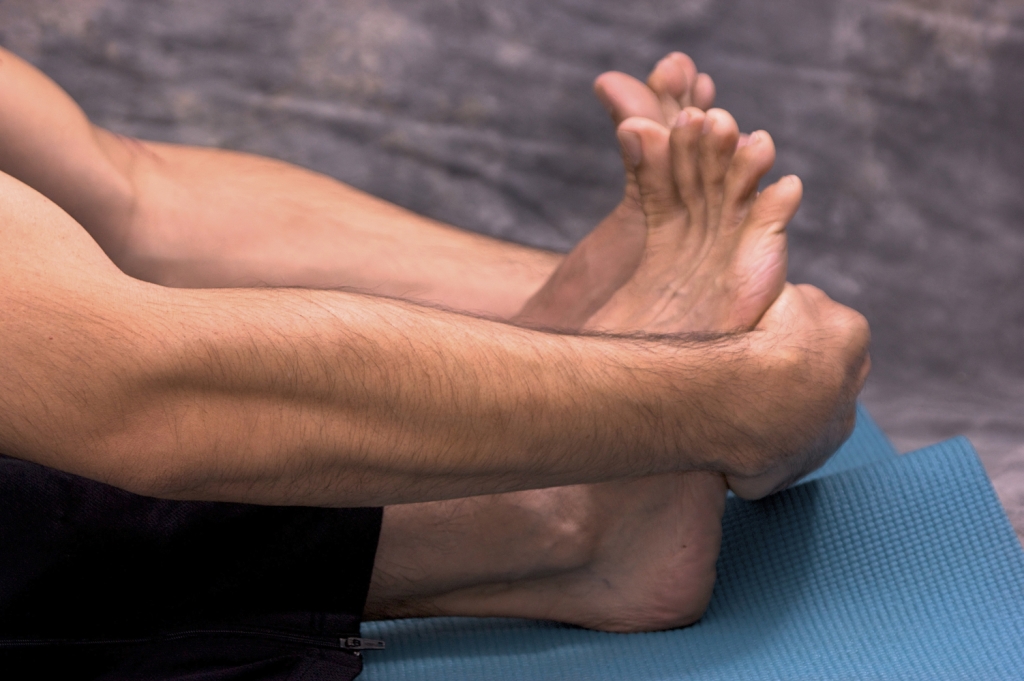
Being the backbone of the body, the feet carry your entire weight and can easily become overexerted, causing cramps and pain. As with any body part, stretching your feet can serve many benefits. From increasing flexibility to even providing some pain relief, be sure to give your feet a stretch from time to time. This is especially important for athletes or anyone performing aerobic exercises, but anyone experiencing foot pain or is on their feet constantly should also engage in this practice.

Great ways to stretch your feet:

  • Crossing one leg over the others and carefully pull your toes back. Do 10-20 repetitions and repeat the process for each foot
  • Face a wall with your arms out and hands flat against the wall. Step back with one foot and keep it flat on the floor while moving the other leg forward. Lean towards the wall until you feel a stretch. Hold for 30 seconds and perform 10 repetitions for each foot
  • Be sure not to overextend or push your limbs too hard or you could risk pulling or straining your muscle

Individuals who tend to their feet by regular stretching every day should be able to minimize foot pain and prevent new problems from arising.

If you have any questions please contact our office located in Alvin, TX . We offer the newest diagnostic and treatment technologies for all your foot and ankle needs.

Read more about How to Stretch Your Feet
Connect with us